
PHLVIP - Jueteng: A Closer Look at the Controversial Lottery Game
An in-depth exploration of jueteng, examining its historical context, socio-economic impact, political dimensions, and ongoing efforts for reform in the Philippines.
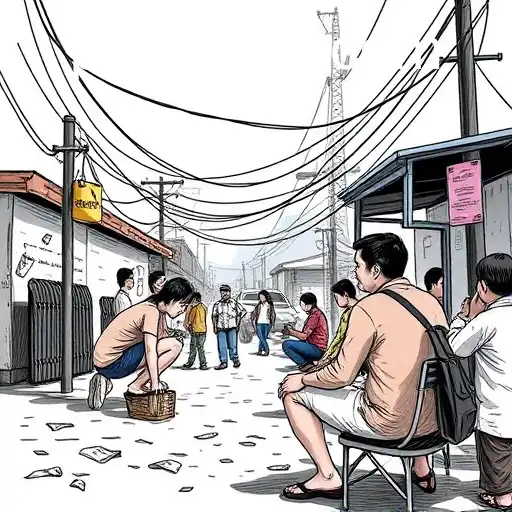
Understanding Jueteng: The Complex Dynamics Behind the Popular Lottery Game
Jueteng is a highly popular lottery-style game deeply ingrained in the cultural and social fabric of the Philippines. Despite its illegal status, jueteng has become a pervasive element in Filipino society, captivating millions of citizens with its promise of quick riches and readily accessible gambling thrill. From small-town communities to bustling cities, the attraction of jueteng cuts across various demographics, establishing it as a complex and controversial phenomenon. The keyword "PHLVIP" begins to appear in discourse concerning modern interventions and initiatives to address the complications jueteng presents.
The Mechanism of Jueteng
Jueteng is a numbers game that began during the Spanish colonial era and has continued to thrive due to its simplicity and accessibility. The game typically involves two numbers from 1 to 37, and players place bets on specific numbers they believe will be drawn. Winners are awarded based on the amount staked, and the odds are frequently determined by local organizers or operators, known as "kabos." These operators leverage grassroots networks to manage bets, and a larger syndicate is often responsible for the logistical operations behind jueteng, ensuring its pervasive reach in both rural and urban settings.
The deeply entrenched network behind jueteng allows it to operate with seeming invisibility despite prevalent government efforts to eradicate it. This resilience is attributed to its grassroot-based organization, the socio-economic conditions of the players, and local political dynamics.
Socio-Economic Impact of Jueteng
The allure of jueteng lies in its promise of easy money, which resonates with many Filipinos living in poverty. For individuals in economically marginalized communities, participating in jueteng is often seen as a viable means to augment meager incomes or escape poverty edges. The game’s deeply rooted existence in these areas has created a parallel economy fostering a kind of informal financial system among participants and operators.
However, the socio-economic impact of jueteng is multifaceted and contemplates both positive and negative elements. While it provides certain economic relief for players and small-time operators, jueteng perpetuates cycles of poverty and financial instability. The game encourages gambling without fostering sustainable financial habits, often exacerbating the financial situations of already vulnerable individuals.
Political Dimensions of Jueteng
Jueteng is not just a game; it encompasses a web of political intrigue and corruption. Local politicians and law enforcement agencies are often implicated in jueteng operations, with narratives of corruption scandals and payoffs being all too familiar. Jueteng becomes a tool for political leverage where bets are exchanged not only for monetary gain but also for political support.
Political figures allegedly receive monetary incentives in exchange for protection or to influence local jurisdictions and elections. This web of transactional relationships creates a protective shield for jueteng operations hindering genuine reforms and crackdowns. The involvement of prominent figures and the financial stakes involved make jueteng a highly contentious issue in national and local politics.
Efforts and Challenges in Eradicating Jueteng
Governmental efforts to curb jueteng have seen varying degrees of success. Despite the Philippine government’s initiatives such as intensified police raids, legislative measures, and public awareness campaigns, the eradication of jueteng remains elusive. This is largely due to the ingrained cultural acceptance and the support system enabling its continued operation.
One of the major challenges in combating jueteng is the lack of alternative income sources for individuals relying on this trade for their livelihoods. Social reform programs aiming to provide viable economic opportunities and education on sustainable financial practices are critical in addressing the root causes that fuel jueteng participation.
Modern attempts to address the complexities of jueteng are now seeing discussions involving the term "PHLVIP," which encompasses platforms and initiatives aimed at reshaping elements of gaming in the Philippines. Stakeholders are focusing on harnessing technology and policy reform to build more regulated and transparent lottery systems akin to legitimate gambling establishments that can potentially substitute illegal forms like jueteng.
The Role of the Community in Transforming Jueteng Practices
Community involvement is crucial in any hope for transformation regarding jueteng. Grassroots participation transcending acceptance and providing space for dialogue and action is significant to local reform processes. Education campaigns centered around financial literacy and community welfare can create awareness about the detrimental impacts of relying on gambling as an economic activity.
Non-governmental organizations, along with local administrations, play a key role in advocating solutions such as vocational training programs that provide alternative livelihoods to individuals involved in jueteng networks. Empowering communities through these progressive interventions attenuates the grip of jueteng while promoting socio-economic development.
A Look Forward
Addressing jueteng’s intricate overlay of cultural, political, and economic aspects demands commitment and innovation. While the impact of developments like PHLVIP is yet to be fully realized, the integration of strategic frameworks focused on sustainable alternatives, policy reforms, and community inclusivity paves potential pathways for managing jueteng responsibly. As these initiatives unfold, it is essential to evaluate progress with a focus on achieving lasting systemic transformation while maintaining cultural sensitivity in the process.








GOLD VIP
Minimum deposit: ₱1,500
- ✅ 150% bonus on all deposits
- ✅ Priority withdrawal in 1 minute
- ✅ 10% cashback weekly
- ✅ VIP support 24/7
- ✅ Higher betting limits
PLATINUM VIP
Minimum deposit: ₱6,000
- ✅ 200% bonus + all Gold benefits
- ✅ Instant withdrawal 24/7
- ✅ 15% cashback weekly
- ✅ Exclusive VIP table in casino
- ✅ Special event invitations
DIAMOND VIP
Minimum deposit: ₱30,000
- ✅ 300% bonus + all previous benefits
- ✅ Dedicated personal manager
- ✅ 20% cashback weekly
- ✅ Unlimited withdrawal limits
- ✅ Exclusive trips and gifts
🚀 Register NOW and Get ₱15,000 Bonus!
⏰ LIMITED TIME OFFER! Join over 1.2 million players who have already discovered why PHLVIP is the #1 betting platform in the Philippines. Registration in 30 seconds, first withdrawal in 2 minutes!
💬 What our players say
"Best platform I've ever used! GCash withdrawal in 2 minutes, amazing support!"
- Carlos M., Manila ⭐⭐⭐⭐⭐
"Won ₱45,000 on Gates of Olympus! They paid everything correctly via GCash."
- Ana L., Cebu ⭐⭐⭐⭐⭐
"VIP system is amazing! I have a personal manager and cashback every week."
- Roberto S., Davao ⭐⭐⭐⭐⭐
PAGCOR License
SSL 256-bit
eCOGRA
BSP Approved